
New Federal Bill Seeks to End US Greyhound Racing for Good
A new bipartisan federal bill, the Greyhound Protection Act, aims to introduce a nationwide ban on greyhound racing in the United States, targeting both live and simulcast wagering.
With West Virginia now the only state still hosting live greyhound races, the proposal has sparked debate over animal welfare, jobs, and the use of public funds to support the industry.

⏳ 3 mins read
📖 Published: January 1st, 2026
✍️ Updated: January 1st, 2026


_800x800.webp)

1.0
Default
Racing Barely Hanging On
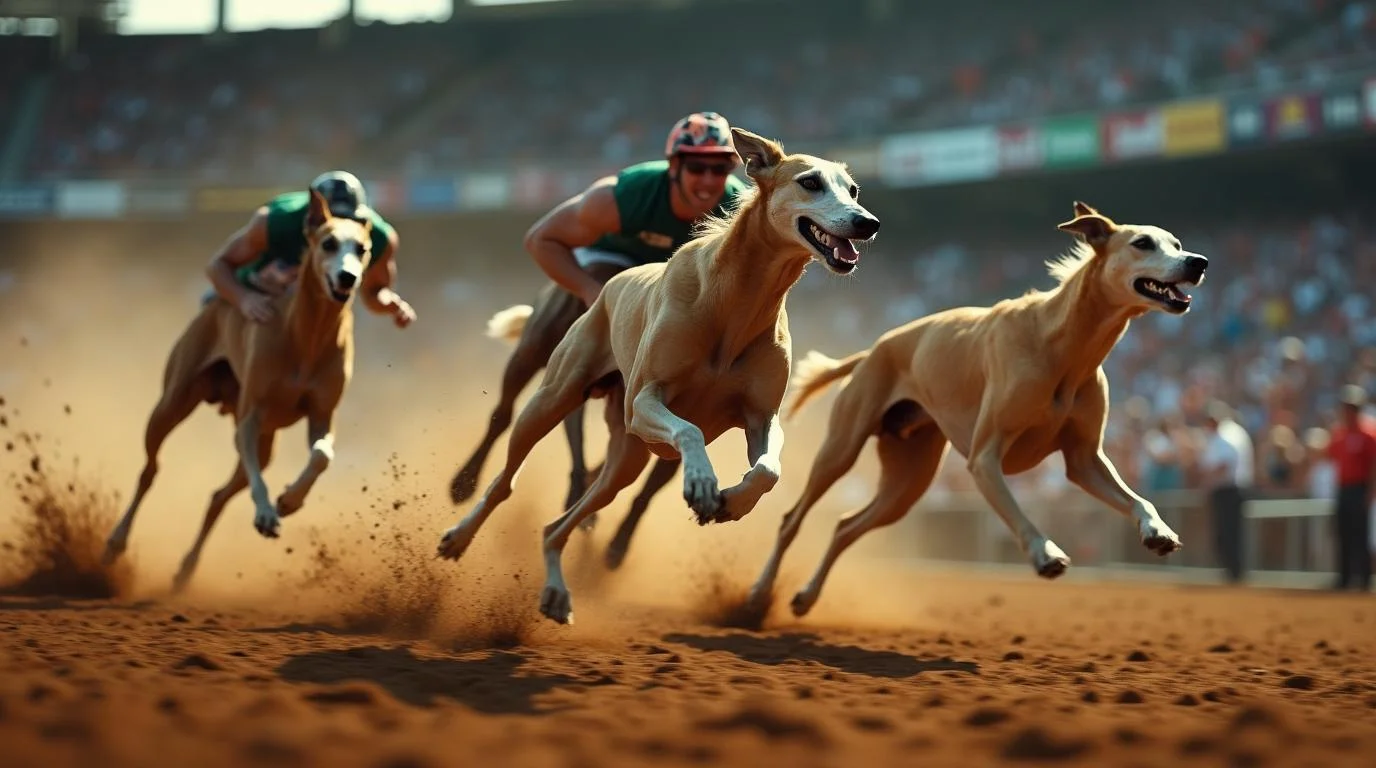
Greyhound racing was once highly popular across the US before concerns about animal welfare led to states banning the activity. West Virginia is the last place in the country where people can see live greyhound racing, though it is still legal in some other states. The two remaining venues are the Wheeling Island Hotel Casino and Racetrack and the Mardi Gras Casino and Resort.
A new bipartisan federal bill aims to introduce a nationwide blanket ban, citing injuries like broken backs, head trauma, and paralysis that the dogs can suffer.
In addition to stopping live racing, the Greyhound Protection Act would end gambling on simulcast and live races. Representative Salud Carbajal, one of the co-sponsors of the bill, said that the activity is “cruel, inhumane, and thoroughly unpopular with the American public.”
Defending the Sector
The greyhound industry in West Virginia has concerns about what a ban might mean for their livelihoods. Breeder Steve Sarras said that the industry creates thousands of jobs in the state and that every county benefits from the resulting taxes.
Sarras addressed animal welfare concerns by describing the extensive treatment injured greyhounds get at the tracks and in veterinary hospitals. He labeled those individuals who talk about the alleged abuse as “just people putting out lies.”
He also believes this is a state issue and not something the federal government should decide. There were attempts in recent years by state lawmakers to end the activity, all of which have been unsuccessful. Most recently, Republicans introduced separate bills in the House and Senate this year, but they never made it to a vote.
Better Use for Funding
A unique legal requirement in the Mountain State is that commercial casinos that want to offer tabletop games and slot machines must host live greyhound or horse races. Racing betting handle was $260m in 2023.
Advocates for a ban believe that the $15m to $17m annual contributions the greyhound industry gets from the West Virginia Lottery Commission could be better spent building infrastructure or funding public education programs.